
Mental health affects millions of people worldwide, yet the stigma surrounding it remains a significant
barrier to seeking help. Many individuals fear being judged, misunderstood, or labeled as weak,
preventing
them from openly discussing their struggles or seeking professional support. This stigma is deeply
rooted in
societal norms, cultural beliefs, and a general lack of awareness about mental health conditions.
The effects of mental health stigma can be devastating, leading to feelings of isolation, shame, and
hopelessness. Individuals battling conditions such as depression, anxiety, or PTSD may feel forced to
suffer
in silence rather than risk being ostracized by their communities. By fostering open conversations,
challenging misconceptions, and promoting mental health education, we can work towards a more
compassionate
and understanding society where people feel safe to seek the help they need.
Understanding Mental Health Stigma
Stigma stems from misinformation, fear, and societal norms. Many people hesitate to talk about their
struggles due to the fear of being judged or misunderstood. This fear can prevent individuals from
reaching out for the help they need, worsening their condition over time.
Mental health stigma arises from a combination of misinformation, societal expectations, and fear of
judgment. Many individuals are reluctant to talk about their mental health struggles due to concerns
about being perceived as weak or unstable. This fear can be reinforced by cultural norms that discourage
emotional vulnerability or seeking professional help.
The impact of stigma is significant—it can
prevent people from acknowledging their mental health issues, seeking necessary treatment, or even
 discussing their challenges with friends and family. The reluctance to open up often worsens their
mental state, leading to isolation, increased distress, and untreated conditions.
To combat this
stigma, society must focus on education, fostering open discussions, and normalizing mental health care.
Encouraging honest conversations and promoting awareness can help dismantle misconceptions, making it
easier for individuals to seek the help they need without fear of judgment.
The Consequences of Mental Health Stigma
The stigma surrounding mental health issues can lead to severe consequences, including social isolation,
discrimination, and reluctance to seek treatment. Individuals may feel shame about their conditions,
causing them to withdraw from relationships and professional opportunities. The lack of open discussions
about mental health can also contribute to misinformation and prevent progress in mental health care.
Mental health stigma can have serious consequences, making individuals feel isolated and ashamed of
their struggles. Many avoid seeking professional help due to fear of discrimination or judgment, which
can worsen their condition over time. This stigma can also limit opportunities in personal relationships
and the workplace, reinforcing a cycle of silence and suffering. Addressing stigma through awareness,
open discussions, and support can help create a more inclusive and understanding society.
How to Break the Stigma
- Education and Awareness: Providing accurate information helps dispel myths and correct misconceptions about mental health.
- Encouraging Open Conversations: Normalizing discussions about mental health encourages individuals to share their experiences without fear of judgment.
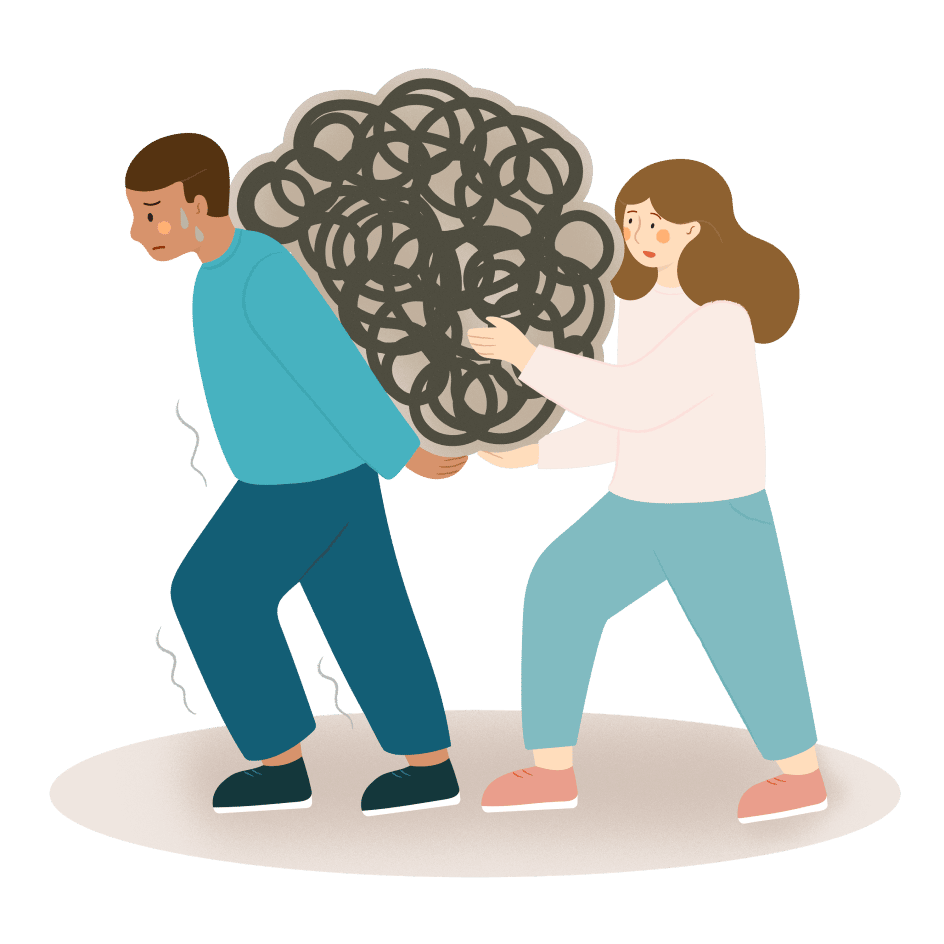
- Supporting Those Affected: Showing empathy and providing support to those struggling with mental health issues can help them feel less alone.
- Promoting Representation: Highlighting personal stories and diverse perspectives fosters a more inclusive and accepting society.
Conclusion
Breaking the stigma around mental health requires collective effort. By educating ourselves, supporting those in need, and fostering open discussions, we can create a society where mental health is treated with the same importance as physical health. Change begins with awareness, empathy, and action.