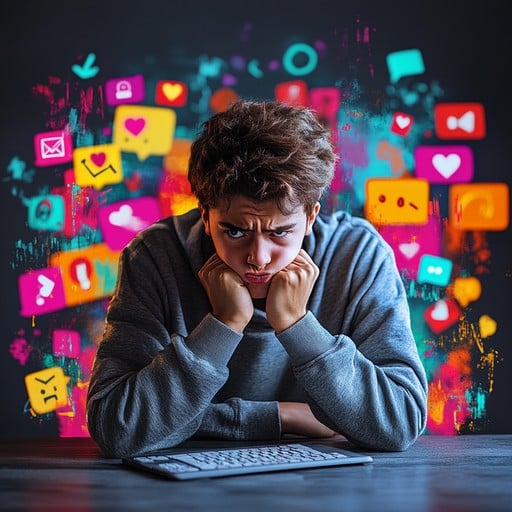
Social media has become an integral part of daily life, influencing how people connect, communicate, and perceive themselves. While it offers benefits such as instant connectivity and information sharing, excessive use can negatively impact mental health. This article explores the relationship between social media and mental well-being, highlighting both the risks and ways to maintain a healthy digital balance.
However, its impact on mental health is a topic of growing concern. While social media can be a
source of
inspiration and support, excessive use can lead to anxiety, depression, low self-esteem, and even
social
isolation.
To strike a balance, it’s essential to understand both the positive and negative
effects
of social media on mental health and implement healthy habits to use these platforms mindfully.
How Social Media Affects Mental Health
1. The Comparison Trap
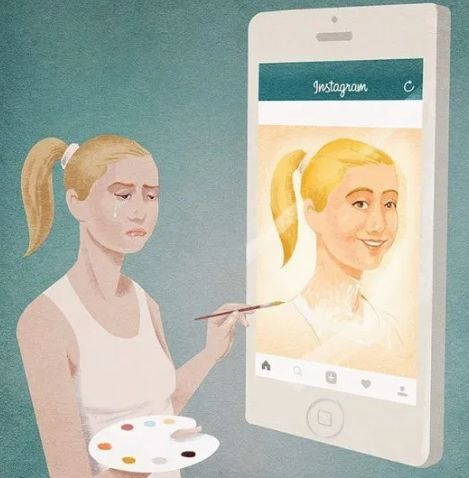
Social media often portrays curated and idealized versions of life, leading users to compare
themselves with others. This can result in feelings of inadequacy, low self-worth, and anxiety, as
people measure their real lives against unrealistic standards.
2. Doomscrolling and Information Overload
Constant exposure to negative news, online debates, and distressing content can heighten stress
levels. Doomscrolling—endlessly consuming negative content—can fuel anxiety and lead to emotional
exhaustion.
3. Cyberbullying and Online Harassment
While social media connects people, it also exposes them to cyberbullying and toxic
interactions. Online harassment can deeply affect mental well-being, leading to stress, depression,
and, in extreme cases, suicidal thoughts.
4. Sleep Disruptions and Screen Addiction
Excessive screen time, especially before bed, can interfere with sleep quality. The blue light
emitted from screens affects melatonin production, making it harder to fall asleep, leading to
fatigue and mental fog.
5. Fear of Missing Out (FOMO)
Seeing friends and influencers constantly posting about social events, vacations, or
achievements can create the fear of missing out (FOMO). This can lead to anxiety and dissatisfaction
with one's own life, even if the online content is highly curated.
The Role of Social Media in Anxiety and Depression
Studies have shown a strong correlation between social media usage and increased levels of anxiety and depression. The pressure to maintain an online presence and keep up with trends can create overwhelming stress.
- Social Validation and Approval: Many users tie their self-worth to the number of likes, comments, or followers they receive, leading to insecurity and anxiety.
- Negative Content Exposure: Exposure to distressing news, online arguments, or unrealistic beauty standards can cause depressive thoughts.
- Isolation Despite Connectivity: Although social media creates virtual connections, excessive use can lead to real-life isolation, reducing meaningful face-to-face interactions.
- Overstimulation: The constant influx of information and notifications can cause sensory overload, making it difficult for the brain to rest and recharge.
- Addiction and Reduced Productivity: Scrolling for hours without realizing it can impact work, studies, and personal relationships, contributing to stress and reduced overall well-being.
Social Media and Self-Esteem
Social media plays a significant role in shaping self-esteem, particularly among teenagers and young adults.
Many users showcase only the best parts of their lives, using filters and editing tools, which can create an unattainable beauty standard and self-doubt. Seeking validation through positive feedback on posts can lead to feelings of inadequacy when expectations are not met. Exposure to unrealistic body images in influencer culture can contribute to body dissatisfaction and eating disorders.
The pressure to follow trends, wear certain clothes, or maintain a particular lifestyle to fit in with online communities further influences self-esteem. Additionally, many individuals feel the need to document their lives in an engaging way, leading to performance anxiety about maintaining an active and entertaining online persona.
Social Media and Youth Mental Health
Young people are particularly vulnerable to the effects of social media. Their developing minds are
highly influenced by online interactions and content.
Social media plays a crucial role in
shaping how young individuals perceive themselves and their place in the world. It significantly
influences identity development, with young people often defining themselves through their online
presence.
However, excessive engagement with social media can lead to academic distractions,
causing procrastination, reduced focus, and declining academic performance. Additionally,
cyberbullying has become a significant issue, with many young individuals experiencing online
harassment that affects their emotional well-being.
Another major concern is sleep deprivation,
as teenagers often stay up late browsing social media, leading to poor sleep hygiene and increased
stress levels. On the positive side, social media platforms serve as spaces for mental health
advocacy, providing support, resources, and education about mental well-being, which can be
beneficial in fostering awareness and encouraging help-seeking behavior.
Strategies for Healthy Social Media Use
To maintain a healthy relationship with social media, it is essential to practice mindful usage and set boundaries.
- Set Screen Time Limits: Restricting screen time helps in reducing the risk of social media addiction.
- Follow Positive Content Creators: Engaging with motivational, educational, and uplifting content can enhance mental well-being.
- Unfollow Toxic Accounts: Removing accounts that promote negativity, unrealistic expectations, or harmful comparisons can help create a healthier digital space.
- Engage in Offline Activities: Prioritizing face-to-face interactions, hobbies, and physical activities can improve overall well-being.
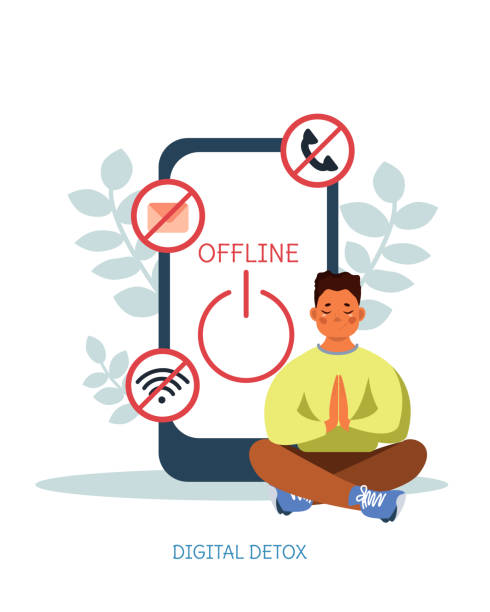
- Take Social Media Breaks: Periodic digital detoxes can help reset the mind and reduce stress levels.
How to Use Social Media Mindfully
- Set Time Limits – Monitor your screen time and set boundaries to reduce excessive scrolling.
- Curate Your Feed – Follow pages and accounts that inspire and uplift you rather than those that make you feel insecure or anxious.
- Take Digital Detox Breaks -Step away from social media for a few hours or days to focus on real-life interactions and mental well-being.
- Engage Positively – Use social media to connect meaningfully with friends, family, and support groups rather than mindlessly scrolling.
- Seek Professional Help – If social media negatively impacts your mental health, consider speaking to a therapist or counselor for guidance.
Conclusion
Social media isn’t inherently bad, but how we use it determines its impact on our mental health. By fostering a mindful approach, we can enjoy the benefits of digital connectivity while safeguarding our mental well-being.