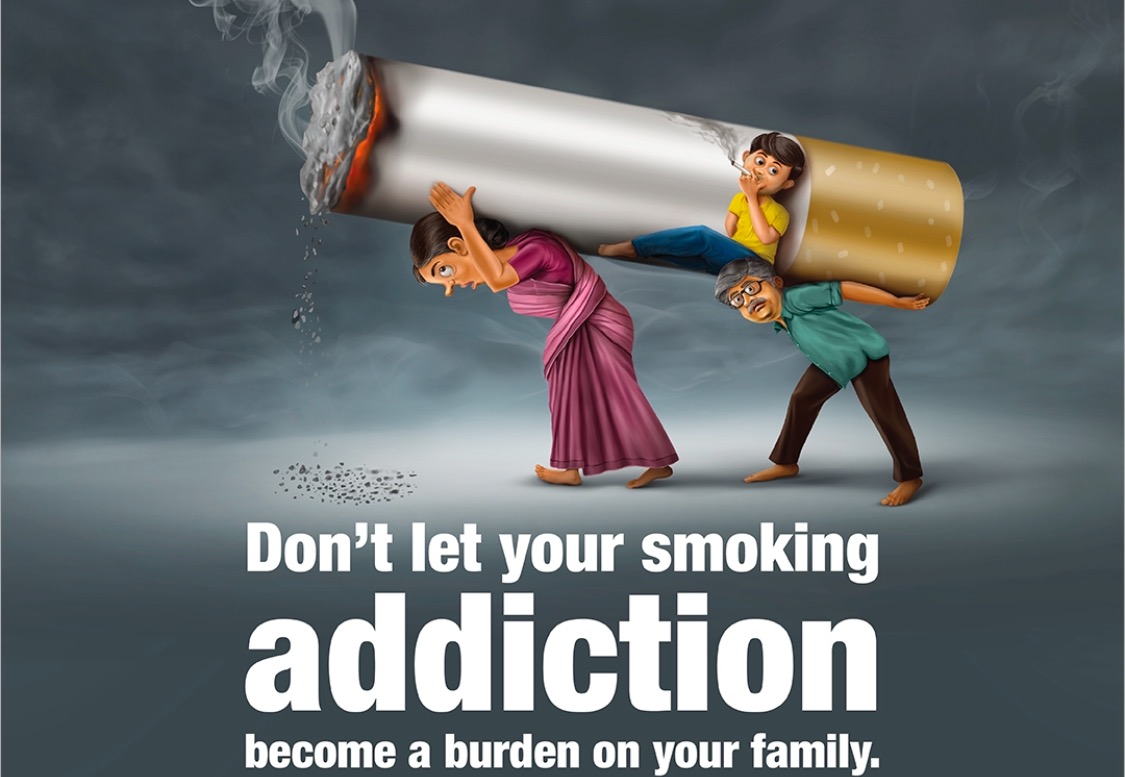
Addiction and mental health are deeply connected, with substances like smoking and alcohol often
worsening anxiety, depression, and emotional distress. This blog explores the impact of addiction on
mental well-being, the dangers of dependence, and practical steps toward recovery. Breaking free is
possible—with the right support, awareness, and determination.
Addiction is a complex condition
that significantly impacts mental health. Substance abuse, especially smoking and alcohol addiction,
can exacerbate existing mental health issues or even lead to the development of new conditions such
as anxiety and depression. Understanding the connection between addiction and mental health is
essential in fostering awareness and promoting recovery.
The Connection Between Addiction and Mental Health
Addiction and mental health disorders often go hand in hand. Many individuals turn to substances like nicotine and alcohol as a way to cope with stress, anxiety, or depression. However, rather than providing relief, prolonged substance abuse worsens mental health conditions, creating a vicious cycle that is hard to break.

- Self-Medication: People struggling with mental health issues may use substances to temporarily alleviate symptoms, only to find that the effects are short-lived and often lead to dependence.
- Chemical Imbalance: Alcohol and nicotine alter brain chemistry, affecting neurotransmitters responsible for mood regulation, which can lead to anxiety, depression, and other disorders.
- Social Isolation: Addiction can lead to strained relationships, job loss, and social withdrawal, further impacting mental well-being.
- Increased Risk of Suicide: Individuals suffering from addiction are at a higher risk of suicidal thoughts and tendencies due to emotional distress and hopelessness.
- Worsening of Pre-Existing Mental Conditions: For those already struggling with mental illnesses, addiction can exacerbate symptoms, making treatment more challenging.
The Dangers of Smoking Addiction
Smoking is often perceived as a stress reliever, but in reality, it contributes to increased
anxiety and depression.
Nicotine, a highly addictive substance, initially creates a temporary sense of relaxation but
quickly leads to dependence. As nicotine levels drop, individuals often experience withdrawal
symptoms such as irritability, mood swings, and heightened anxiety. Research suggests that
smokers are more likely to suffer from depression than non-smokers, as nicotine affects dopamine
levels—the neurotransmitter responsible for pleasure and motivation—leading to imbalances that
contribute to mood disorders. Additionally, long-term smoking has been linked to cognitive
decline, memory impairment, and an increased risk of neurodegenerative diseases like
Alzheimer’s, further highlighting its detrimental impact on mental health.
The Impact of Alcohol Addiction on Mental Health

Alcohol abuse is closely linked to a range of mental health disorders.
Alcohol, as a depressant,
has a profound impact on brain chemistry, often intensifying feelings of sadness and anxiety,
particularly during withdrawal periods. While it may initially create a sense of relaxation or
euphoria, prolonged use disrupts the balance of neurotransmitters, leading to alcohol-induced
depression and heightened anxiety levels. Additionally, excessive drinking impairs cognitive
functions, significantly affecting decision-making abilities and encouraging risky behaviors that
can have long-term consequences on one's personal and professional life. Poor judgment under the
influence can lead to dangerous situations, strained relationships, and legal or financial troubles,
further exacerbating mental health struggles.
Over time, chronic alcohol consumption can cause lasting psychological damage, contributing to
memory loss, cognitive decline, and even personality changes. The cumulative effects of alcohol
abuse can alter brain structure and function, increasing the risk of neurodegenerative diseases and
making recovery even more challenging. The long-term impact on mental health can lead to severe
emotional distress, further fueling the cycle of addiction. Understanding these severe implications
is crucial in addressing alcohol addiction and its connection to mental health, emphasizing the need
for awareness, intervention, and support.
Alcohol abuse is closely linked to a range of mental
health disorders.
- Alcohol-Induced Depression and Anxiety : Alcohol is a depressant that affects brain chemistry, leading to increased feelings of sadness and anxiety, especially during withdrawal periods.
- Impaired Decision-Making and Risk-Taking Behavior: Excessive drinking impairs judgment, leading to risky behaviors that can negatively impact one’s life and mental state.
- Long-Term Psychological Effects: Chronic alcohol use can lead to permanent brain damage, causing memory loss, cognitive decline, and personality changes.
- Aggression and Mood Swings: Alcohol can lead to erratic emotions, including aggressive outbursts and sudden mood changes that strain relationships.
- Dependence and Cravings: Long-term alcohol use can create a dependency that is difficult to break without professional help.
The Impact of Drug Addiction on Mental Health
Drug addiction is one of the most severe threats to mental well-being, often leading to devastating
psychological effects. Many substances, including opioids, stimulants, and hallucinogens, directly
interfere with brain chemistry, altering mood, perception, and cognitive function. Prolonged drug
use can lead to increased anxiety, paranoia, hallucinations, and even drug-induced psychosis.
Individuals struggling with drug addiction are also at a higher risk of developing severe mental
health disorders, including depression and schizophrenia. Furthermore, withdrawal symptoms can be
mentally and physically debilitating, causing intense cravings, agitation, and emotional distress.
The cycle of addiction often leads to social isolation, financial problems, and legal issues,
further exacerbating mental health struggles. Seeking professional treatment, therapy, and support
groups is crucial in breaking free from drug dependency and regaining emotional stability.
- Increased Risk of Psychosis: Some drugs can trigger hallucinations and delusions, leading to psychotic episodes.
- Higher Likelihood of PTSD: Many drug users experience trauma, which increases the risk of developing PTSD.
- Emotional Numbness: Prolonged drug use can suppress emotions, making it difficult for individuals to process feelings healthily.
- Chronic Stress and Paranoia: Many substances increase stress hormones, leading to persistent paranoia and anxiety disorders.
- Loss of Interest in Life: Drug addiction can drain motivation and joy from daily activities, leading to severe emotional detachment.
Breaking Free: Steps Toward Recovery
Overcoming addiction requires determination, support, and professional help. Here are steps to take towards recovery:
- Acknowledge the Problem: Recognizing the addiction is the first step toward healing.
- Seek Professional Help: Therapy, counseling, and medical intervention can provide guidance and treatment tailored to individual needs.
- Join Support Groups: Organizations like Alcoholics Anonymous (AA) and Nicotine Anonymous offer community support and accountability.
- Adopt Healthy Coping Mechanisms: Exercise, meditation, journaling, and engaging in hobbies can help replace addictive behaviors.
- Build a Strong Support Network: Surrounding oneself with supportive friends and family members is crucial for long-term recovery.
- Develop Mindfulness and Stress-Relief Techniques: Practices like yoga and deep breathing can help manage cravings and emotional triggers.
- Commit to Long-Term Recovery Plans: Continued therapy and lifestyle changes are essential for maintaining sobriety.
Video Resource: How to Overcome Addiction - TED Talk
Here is a TED Talk that delves into the misconceptions surrounding addiction: Everything You Think You Know About Addiction Is Wrong by Johann Hari In this insightful talk, Johann Hari explores the root causes of addiction and challenges common perceptions, emphasizing the importance of connection in the recovery process. You can watch the full talk here:
Seeking Help: Helpline Information
If you or someone you know is struggling with addiction, there are helplines available in both India and internationally that can provide immediate assistance and support.
India
- National Mental Health Helpline (KIRAN): 1800-599-0019 (24/7 support)
- AASRA (Suicide Prevention and Emotional Support): 91-9820466726
- Alcoholics Anonymous India: www.aagsoindia.org
- National Quit Smoking Helpline (India): 1800-11-2356
International
- Substance Abuse and Mental Health Services Helpline 1-800-662 HELP (4357)
- Nicotine Anonymous: www.nicotine-anonymous.org
- International Quit Smoking Helpline: 1-800-QUIT-NOW
Conclusion
Addiction, especially to smoking, alcohol, and drugs, has profound effects on mental health. It is crucial to recognize the dangers, seek help, and take proactive steps towards recovery. By spreading awareness and encouraging open conversations, we can break the stigma surrounding addiction and mental health and pave the way for a healthier future.